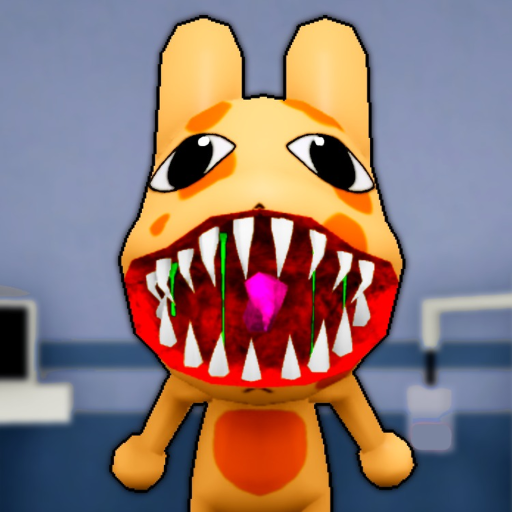
Animal Hospital Night Shift How to Spot Anomalies
Window, photo, and CCTV checks — reject impostors before they enter the ward.
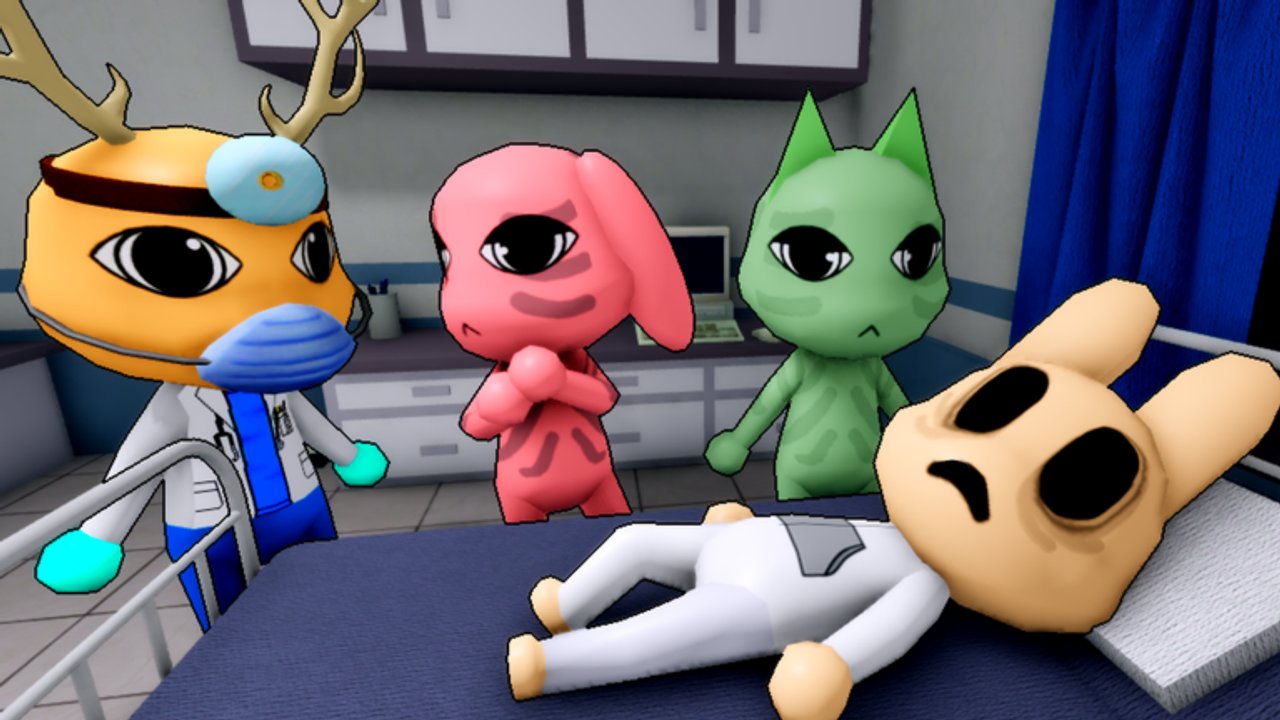
In Animal Hospital Night Shift, anomalies disguise themselves as ordinary animal patients. Your job at the check-in desk is to catch them before they pass the Shutter. Real patients need treatment in Rooms 1–8; fake ones become Skinwalkers, spawn ceiling threats, or trigger Sanity drains across the clinic. This guide teaches a repeatable three-layer inspection — window, photo, and CCTV — plus paperwork and audio cues that confirm a reject.
The golden rule
Admit only when every layer matches. If the window looks fine but the photo shows static, reject. If the photo matches but CCTV shows a void-black body, reject. Speed saves seconds; a Skinwalker costs the entire shift. When uncertain, re-check photo and camera feeds before raising the Shutter barrier for admission.
Layer 1 — Window inspection
The exterior check-in window is your first read. Stand close enough to see fine details without triggering unnecessary jumpscares.
Visual tells at the window
| Tell | What to look for |
|---|---|
| Extra eyes | Third eye, eyes on boards, duplicated pupils |
| Mouth and teeth | Unnatural grins, too many teeth, stretched jaws |
| Ears and horns | Count, shape, or placement differs from species norm |
| Limbs | Stretched arms, wrong proportions, twitching idle animation |
| Staring | Patient locks eyes on you without normal blink rhythm |
| Posture | Floating, sliding, or frozen unnatural poses |
Some anomalies mimic popular species with one wrong detail — a green cat with stretched limbs is a community-frequent example. Treat any single major tell as a reject unless photo and CCTV fully clear it.
Audio tells
Listen for distorted, unusually low, or glitchy speech during intake. Audio alone rarely proves an anomaly, but it supports a reject when visuals already look off. In co-op, the Check-in Lead should call “voice wrong” so Float players do not admit while distracted by treatment alarms.
Layer 2 — Photo comparison
The lobby photo printer produces an ID-style image for each arrival. Compare eyes, ears, horns, fur texture, and silhouette against what you saw at the window.
Common photo anomalies
- Static or corrupted print — snow, blur, or missing facial features.
- Cursed grin — smile does not match window expression.
- Ear or horn mismatch — photo shows ears the window patient lacks (or vice versa).
- Censored or black box over eyes — debuts more often mid-run; always reject.
- Different species silhouette — photo shows a dog, window shows a cat-shaped visitor.
Hold the photo beside the window mentally before pressing admit. Teams that stack photos on the desk develop faster comparison reflexes than players who glance once.
Layer 3 — CCTV feeds
From Shift 2 onward, CCTV cross-checks become part of standard intake. Monitors near the desk show check-in, lobby, medical wing, and emergency wing angles. Broken cameras outside must be repaired with E before feeds are trustworthy — fix gear before high-pressure Ambulance nights.
CCTV signs that mean reject
| Feed behavior | Action |
|---|---|
| Black box or void covering eyes | Reject before admit |
| Limbs heavily stretched on camera | Reject |
| Patient stares directly into the lens while walking | Reject — camera follower |
| Ears or horns differ from window view | Reject if mismatch is clear |
| Completely black body (pitch dark silhouette) | Reject — common Shifts 4+ |
| Skinwalker shape visible only on camera | Reject immediately |
| Feed zooms toward dark figure with red eyes | Look away, switch cameras — heavy Sanity loss |
The Mass of Eyes ceiling threat punishes upward camera angles in treatment rooms. At the desk, if a feed auto-zooms toward a black figure with red eyes, break eye contact immediately and swap to another camera. Sanity loss from staring is real damage — see How to Manage Sanity.
Paperwork and appointment checks
Later shifts add paperwork verification: appointment names, times, or notes that do not align with the visitor. Treat paperwork like a fourth layer. A mismatch is not always as dramatic as a void-black CCTV body, but it catches mimic patients that look clean at the window.
Using the Shutter correctly
The red Shutter button sits beside the check-in window. Press it when any inspection layer fails. The barrier lowers, the visitor leaves, and you raise the Shutter for the next arrival.
When the Shutter is blocked
Head Bangers hammer the glass and block Shutter use with a “something is blocking the shutters” message. They are not standard intake anomalies — calm them with coffee or wait them out before rejecting the next patient. Details on coffee timing appear in Secrets and Easter Eggs.
Never admit just because the Shutter is blocked by a wall banger while a second patient queues — handle the banger first, then resume inspection.
After a mistaken admit
If an anomaly enters despite checks, listen for the Skinwalker transformation cue. Grab the Taser (Shift 3+) or purchased gun, neutralize the threat, and tighten intake. Wrong medicine on a hidden anomaly sometimes kills it without patient-death penalty, but that is backup — not strategy. Prevention at the desk always beats hallway combat.
Shift-by-shift detection expectations
- Shift 1: Window tells only; forgiving pool.
- Shift 2: Photo + CCTV mandatory every arrival; Shutter discipline enforced.
- Shift 3+: Censored Eyes photo class, faster arrivals, timed emergencies distracting the desk.
- Shifts 4–5: Ambulance forces multiple intakes — Events Guide covers triage while checking.
- After Shift 5: Endless nights stack tells; camera upgrades from the shop help clarity.
Full unlock timing is in How to Survive Shifts.
Co-op callout script
Train short phrases:
- “Photo static — rejecting.”
- “Cam two — void body.”
- “Ears mismatch — hold admit.”
- “Paperwork name wrong.”
Check-in Lead owns the final Shutter decision. Treatment Lead should not admit from the hallway. Float handles Head Bangers and camera repairs so the Lead keeps eyes on the window.
Practice routine between runs
- Memorize five window tells you miss most often.
- Reprint mental comparisons: window left, photo right.
- Cycle all four CCTV angles on every Shift 2+ patient.
- Reject on first major mismatch — stop negotiating with anomalies.
- Review wipe replays: which layer failed?
Anomaly detection is the skill gap between Shift 3 clears and endless runs. Pair this guide with Getting Started for desk layout and Treatment Rooms so admitted patients flow smoothly while you inspect the next arrival.
Frequently Asked Questions
Quick answers for night-shift survival.
Should I reject if only one check looks wrong?
Yes. Admit only when window, photo, CCTV, and paperwork (when active) all align. One failed layer is enough — anomalies exploit teams that rationalize a single mismatch.
Do all anomalies show up at the check-in window?
No. Enemies like Bed Monsters, Stalkers, and Head Bangers roam the hospital or block the glass without going through standard intake. The Shutter is for patient-queue anomalies only.
Can CCTV get me killed at the desk?
Staring at cursed feeds — especially zoom-ins toward red-eyed figures — drains Sanity fast. Glance, decide, look away. Repair broken outdoor cameras so you are not guessing with static.
What is the most commonly missed tell?
Community reports cite subtle twitching at the window and ear mismatches on photos. Slow down on Ambulance nights when multiple patients arrive back-to-back.